

Do you find yourself reaching for that third cup of coffee just to make it through the afternoon? Does your child seem constantly wired yet somehow exhausted, struggling to focus at school but unable to wind down at night? You’re not alone.
What many are experiencing is described as a cortisol addiction. This neurological dysfunction isn’t just affecting adults; it’s becoming increasingly common in children. The constant fight-or-flight state has become a new normal for many, wreaking havoc on families’ health and wellbeing. Alarmingly, many conventional solutions, from ADHD medications for children to that extra shot of espresso for adults, may actually perpetuate the very cycle individuals are trying to break.
This information is for exhausted parents whose children struggle with focus, hyperactivity, anxiety, or mood swings—especially if conventional care plans haven’t provided lasting relief. It’s also for parents who themselves feel constantly drained, wired, and dependent on stimulants just to get through the day. Modern society has, in many ways, trapped both children and parents in a chronic stress cycle, creating a literal addiction to stress hormones. Understanding how this cortisol addiction can masquerade as ADHD or anxiety, why medications might exacerbate the problem, and learning about a neurological approach can help families break free.
The statistics are concerning. According to recent data, ADHD diagnoses in kids have nearly doubled in the past 20 years, with stimulant prescriptions following suit. Yet, these medications don’t always address the underlying neurological imbalance. It’s common to see families where both children and parents are caught in this stress cycle—the child is prescribed stimulants for focus issues while the parent relies on caffeine, creating mirror-image patterns of nervous system dysfunction. The connection becomes clearer when considering that many of these children experienced some form of birth intervention or trauma (such as forceps, vacuum extraction, or C-section), which can create the initial neurological imbalance that sets up this cortisol addiction from the start.
Cortisol Addiction and the Autonomic Nervous System
Cortisol addiction occurs when the body becomes dependent on stress hormones (cortisol, adrenaline) for energy, focus, and daily functioning. While not a clinical diagnosis, it describes a physiological state where the body has adapted to chronically elevated stress hormones.
The autonomic nervous system has two main branches: the sympathetic (fight-or-flight) and the parasympathetic (rest-digest-restore). These systems should work in balance, with the sympathetic activated for emergencies and the parasympathetic predominant for healing and restoration. In a state of cortisol addiction, the nervous system can become stuck in sympathetic dominance, constantly pumping out stress hormones. Over time, the body may begin to require these hormones just to function, creating a vicious cycle.
How Birth Trauma Can Set the Stage
Birth interventions like forceps, vacuum extraction, C-sections, and even induction can create physical trauma to the delicate upper neck and brainstem area of newborns. This can cause subluxation—misalignment, tension, and neurological interference in the nervous system. When subluxation occurs in these key areas, it directly impacts the vagus nerve and autonomic function, often shifting a child immediately into sympathetic dominance from the very beginning of life. This neurological imbalance can manifest initially as colic, reflux, or sleep issues in infants. As children grow, it frequently appears as focus issues, hyperactivity, emotional dysregulation, and other behaviors commonly diagnosed as ADHD or anxiety.
Modern Lifestyle Factors Perpetuating the Cycle
Our modern environments often bombard developing nervous systems with stimulation. Screens emit blue light that can trigger cortisol production, processed foods can cause blood sugar to spike and crash, and constant activity leaves little time for parasympathetic recovery. Children with an already dysregulated nervous system may seek intense stimulation (such as risk-taking behavior, screen time, or sugar) as a way to satisfy their brain’s cravings for dopamine and cortisol. Parents may mirror this pattern with caffeine dependence, busy schedules, and their own screen addictions, creating family-wide patterns of sympathetic dominance.
The Medication Trap
When children display signs of sympathetic dominance, they’re often prescribed stimulant medications like Adderall or Ritalin. These can temporarily boost focus by further activating the sympathetic nervous system. However, these medications don’t address the underlying neurological imbalance; they may actually reinforce it, potentially making the child even more dependent on sympathetic activation for basic functioning. Parents often don’t realize they might be caught in the same trap with caffeine, energy drinks, and chronic stress, which keeps their own nervous systems in sympathetic overdrive.
How Neurologically-Focused Chiropractic Care May Help
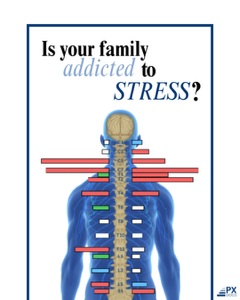
Rather than merely masking signs, Neurologically-Focused Chiropractic Care aims to address the root cause of cortisol addiction by identifying and correcting subluxation that interferes with proper autonomic function. Advanced technology, such as INSIGHT Scans, can help detect where neurological imbalance exists, allowing for the development of a personalized care plan to restore proper function. Specific adjustments are intended to help release stuck stress from the nervous system, activating the parasympathetic branch and allowing the body to shift out of fight-or-flight and into rest-and-restore mode naturally.
Breaking the cycle of cortisol addiction requires a comprehensive approach that addresses the root neurological cause. Reform Family Chiropractic specializes in helping families reset their nervous systems naturally, without relying on medications that may only mask signs. Their approach combines Neurologically-Focused Chiropractic Care with practical lifestyle strategies designed to support parasympathetic activation. These strategies can include improved sleep hygiene, reduced screen time, breathing techniques, spending time in nature, and nutritional support.
The INSIGHT Scans used provide a clear window into a family’s nervous system function, allowing for the development of a customized care plan that addresses specific needs. Many parents report observing how quickly both they and their children begin to feel more balanced, with improved focus, better sleep, and reduced dependence on stimulants.
If you’re ready to explore ways to break free from the cortisol addiction cycle and help your whole family thrive naturally, consider scheduling a consultation and INSIGHT Scan. During an initial visit, time is taken to truly listen to a family’s story, conduct a thorough neurological assessment, and determine if this approach is a suitable fit. Taking the first step toward neurological balance can help families discover what true health feels like.
To learn more or to schedule a consultation, please contact Reform Family Chiropractic:
Phone: (972) 810-3930
Website: https://reformchiro.com/contact-us/